Home > Knowledge Zone > Blog > Natural ways to treat a cold in an infant

Naturalne sposoby na przeziębienie u niemowlaka

Natural ways to treat a cold in an infant

Author : Natural Baby Care Team
Publication date:
August 26, 2025
Reading time: 5 minutes

Spis treści

z tego artykułu dowiesz się:

    • Odpoczynek i spokojny sen
    • Czy wiesz, że?
    • Naturalne sposoby na katar u niemowlaka
    • Ciepło, ale nie przegrzewanie
    • Bliskość i dotyk
    • Karmienie piersią jako naturalna ochrona
    • Wietrzenie i nawilżanie powietrza

Breastfeeding as natural protection

Breast milk is the best source of antibodies and nutrients that support a baby's immunity. Studies show that breastfed babies are less likely to get sick and recover faster. Even several feedings a day can significantly impact the course of an infection.

Air ventilation and humidification

Dry, warm air at home exacerbates cold symptoms. Regularly airing rooms and using a humidifier (or hanging up damp towels) will help your little one's respiratory system function better and reduce irritation of the mucous membranes.

Co mówi ekspert?

„W większości przypadków przeziębienie niemowlęcia można wspierać w domu poprzez odpowiednie nawadnianie, oczyszczanie nosa solą fizjologiczną i dbanie o wilgotność powietrza w pokoju dziecka. To proste działania, które pomagają złagodzić objawy i ułatwiają oddychanie bez konieczności stosowania silnych leków.”

dr Alok Patel, pediatra z Stanford Children’s Hospital

Rest and peaceful sleep

Sleep is crucial in fighting infection – it's when the body regenerates and produces antibodies. It's important to ensure your baby has a peaceful environment for naps: quiet, dim lights, and an appropriate room temperature (around 20°C).

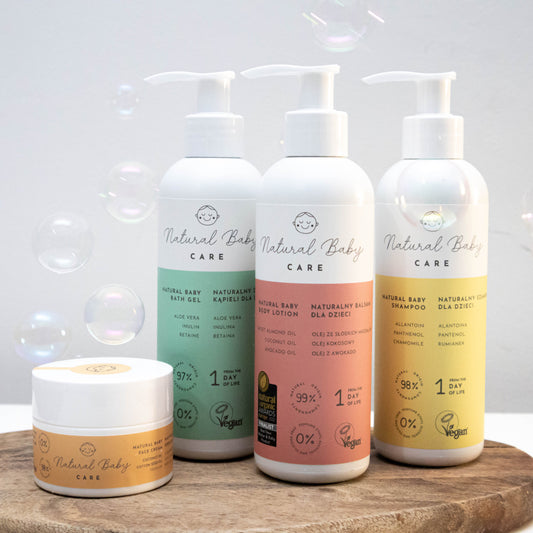
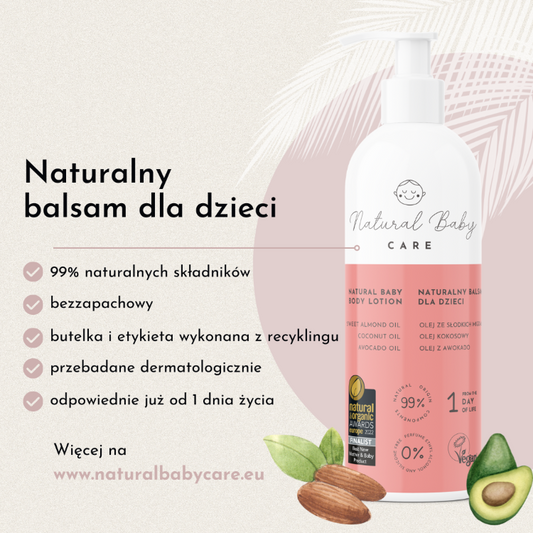
Check out cosmetics for your baby's delicate skin

1 of 5

Natural remedies for a runny nose in babies

A blocked nose is the biggest nuisance for a toddler. You can use saline or seawater spray to thin the mucus. Gently aspirating the nasal mucus is also helpful. However, avoid using medications without a doctor's recommendation.

Warm, but not overheating

Parents often overdress their child when they have a cold. However, overheating weakens the body. It's best to dress your child in layers so you can easily adjust the number of layers depending on the ambient temperature.

Czy wiesz, że?

On average, a baby experiences 6 to 8 respiratory infections in the first year of life – this is a completely natural process of building immunity and does not always mean something alarming.

Closeness and touch

A baby needs a sense of security when they're sick. Cuddling, carrying, or spending time skin-to-skin has a soothing effect, reduces stress, and truly supports the immune system. Research shows that a mother's or father's touch helps the body recover faster.

  • Naukowe dowody i konkretne źródła badań

    Breastfeeding and respiratory infections


    A study published inPediatrics(2013) showed that exclusive breastfeeding for the first 6 months significantly reduces the risk of colds in infants.


    Source:https://pubmed.ncbi


Collapsible content

Kiedy iść z niemowlakiem do lekarza przy przeziębieniu?

Jeśli dziecko ma gorączkę powyżej 38°C, trudności z oddychaniem, odmawia jedzenia lub pije znacznie mniej płynów, należy skontaktować się z pediatrą.

Czy można podawać niemowlęciu leki na przeziębienie?

Nie – niemowlętom nie podaje się leków bez konsultacji z lekarzem. Nawet popularne syropy mogą być szkodliwe.

Jak ulżyć niemowlakowi w zatkanym nosku?

Najbezpieczniej stosować sól fizjologiczną lub wodę morską oraz delikatny aspirator do nosa.

Czy spacery są wskazane w czasie przeziębienia?

Tak, o ile dziecko nie ma gorączki i pogoda jest łagodna. Świeże powietrze może poprawić samopoczucie i ułatwić sen.

Jak zapobiegać kolejnym przeziębieniom?

Najlepsze sposoby to karmienie piersią, odpowiednia higiena (mycie rąk), unikanie przegrzewania dziecka i dbanie o właściwe nawilżenie powietrza w domu.